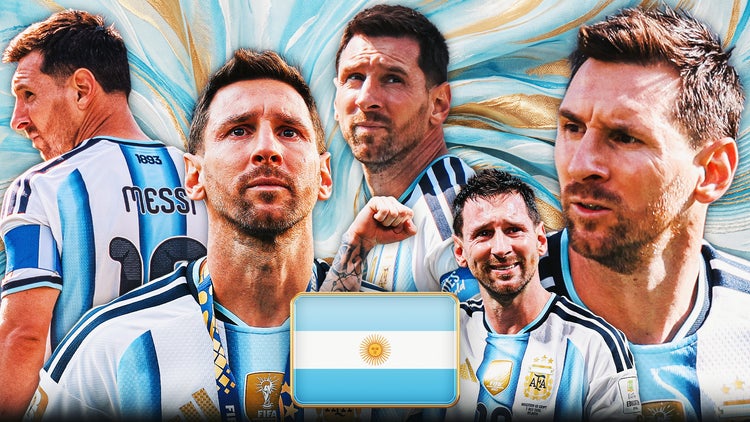

As the tears streamed down Lionel Messi’s cheeks in the moments after Spain beat Messi’s Argentina in extra time of last month’s FIFA World Cup final, the greatest player in soccer history must have known in his heart that he’d never pull the famous sky-blue-and-white-striped Albiceleste jersey on again.
Messi made it official on Monday, announcing his retirement from the national team led to three World Cup and five Copa América finals — winning the last two editions of the latter and the world title in 2022.
In an Instagram post, the 39-year-old said that he made the decision to walk away from his national team after 207 appearances and 125 goals two days after that brutal loss to La Roja in East Rutherford, New Jersey. Messi, who will continue to play at club level with MLS champions Inter Miami, added that the death of his father, Jorge, earlier this month in the family’s hometown of Rosario only cemented his decision.
There will be no going back this time.
(Photo by Maja Hitij – FIFA/FIFA via Getty Images)
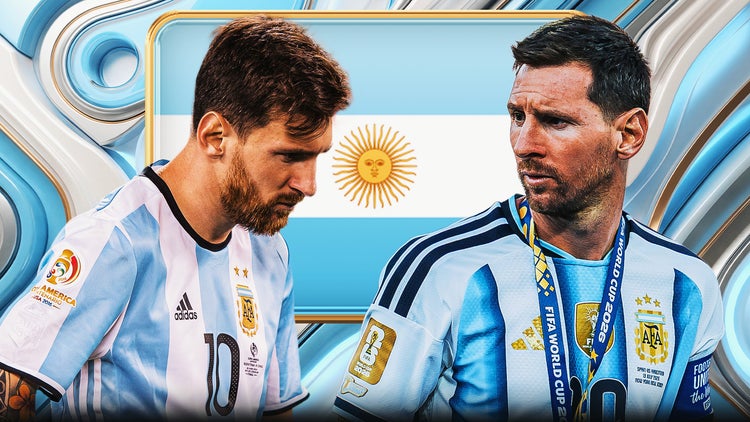
It’s fitting that the 80,000-seat stadium just west of New York City was the sight of Messi’s final act on the global stage. It was in that building that Messi first walked away from the Albiceleste almost exactly a decade earlier.
In the bowels of the venue two hours after Chile beat Argentina on penalties to claim the 2016 Copa América Centenario, Messi — who’d missed his shootout attempt en route to defeat — shocked the sporting world when he told reporters that he was done representing his country in the wake of an ongoing feud between the players and the Argentine Football Association.
The then-Barcelona star was smack in his prime, having just turned 29. He’d already won the UEFA Champions League four times, won five Ballon d’Or awards and was already considered the GOAT despite the lack of trophies in international play.
Media members in attendance (I was one of them) instantly went from covering the biggest game in global soccer that day to the biggest news story in every corner of the planet.
(Photo by Simon Bruty /Sports Illustrated via Getty Images)
That tournament was billed as Messi’s final chance to collect the only trophy he hadn’t won. For good reason: Ahead of the competition, Messi said that Qatar 2022 would be his last World Cup.
Yet before even leaving an empty Lusail Stadium outside Doha in the wee hours of Dec. 19, Messi gave both his countrymen and neutral fans alike another gift, saying he’d continue as long as coach Lionel Scaloni would have him.
In 2024, Argentina then made it three titles in a row by winning another Copa, joining Spain’s legendary 2008-12 squad as the only national teams to win consecutive continental championships on either side of a World Cup victory.
(Photo by Carmen Mandato/Getty Images)