
In just over six months, we’ll be kicking off the largest World Cup ever. Three co-hosts and 16 cities welcoming 48 teams in what will be soccer’s marquee tournament.
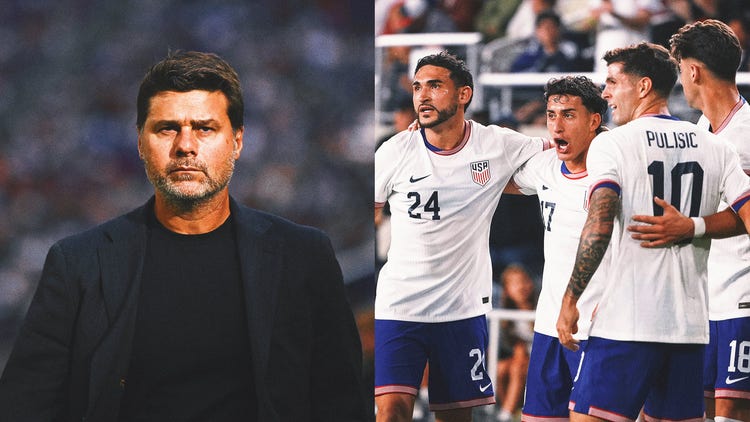
But it’s also a time of reflection, especially when it comes to the U.S. men’s national team. This year was always going to be pivotal for manager Mauricio Pochettino as he now turns his attention to the World Cup.
Now that 2026 is almost upon us, here’s a recap of how the last 12 months shook out for the U.S. men’s national team:
(Photo by Eston Parker/ISI Photos/ISI Photos via Getty Images)
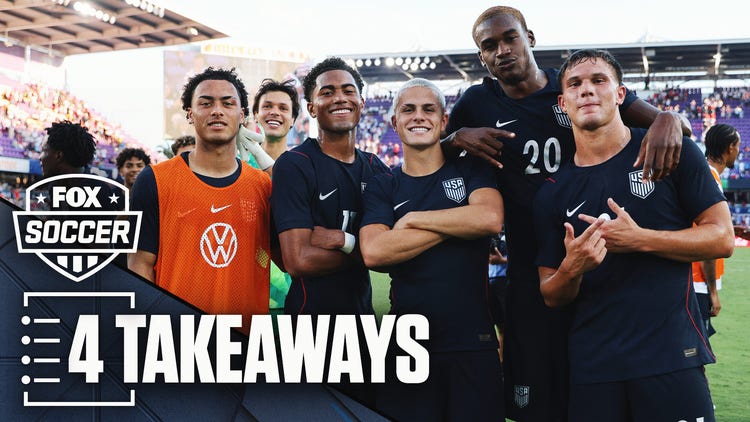
It was fair to wonder how Pochettino would approach the team’s 2025 January training camp, that annual early-year get-together populated almost exclusively by MLS players between seasons. With European-based stars like Christian Pulisic unavailable because of club commitments, basic arithmetic guaranteed that some of the invitees wouldn’t even sniff the 2026 World Cup roster 18 months down the road.
But Pochettino and his staff have a proven track record of developing young players and relish the chance to work with the domestic league’s best for an extended period — a luxury national team coaches rarely enjoy.
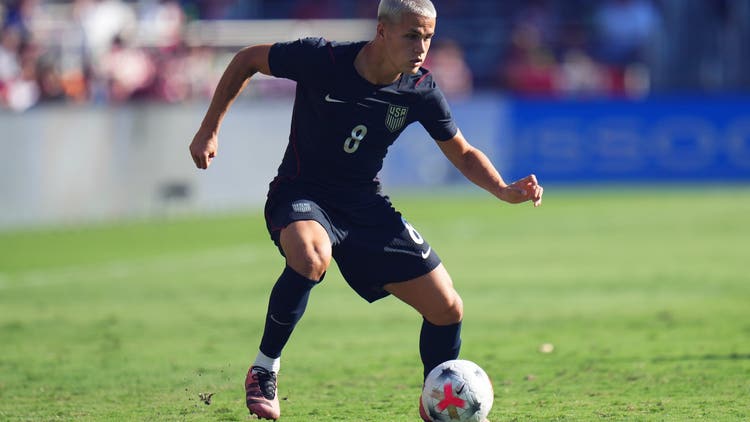
Sure enough, what turned out to be perhaps the final “Camp Cupcake” ever did what it has for a quarter-century: unearth several players who used the opportunity to establish themselves as mainstays. Striker Patrick Agyemang scored in the wins over Venezuela and Costa Rica. Defender Max Arfsten, also previously uncapped, went on to lead the USMNT in assists this year. Midfielder Jack McGlynn provided a preview of his left-footed stunner against Türkiye in a summer friendly. Attacking midfielder Diego Luna’s “big balls” immediately endeared him to Pochettino; he led the squad with 17 appearances in 2025.
(Photo by Robin Alam/ISI Photos/Getty Images)
In theory, the Nations League failure considerably raised the stakes for the summer’s Concacaf Gold Cup — the final competitive games the Americans would play before the all-important 2026 FIFA World Cup.
In reality, Pochettino’s plans fell through before the regional championship had even kicked off. Pulisic, following two stellar but grueling seasons with AC Milan, surprised the Argentine by asking to sit the Gold Cup out. Midfielder Yunus Musah, a teenage starter in Qatar in 2022, did the same. McKennie, forward Tim Weah and attacking midfielder Gio Reyna were obligated to remain with their clubs for FIFA’s U.S.-hosted Club World Cup, while standout fullback duo Sergino Dest and Antonee “Jedi” Robinson and first choice strikers Folarin Balogun and Ricardo Pepi all missed out through injury.
Pochettino also left out the experienced likes of Josh Sargent and Tanner Tessmann, then sat longtime No. 1 goalkeeper Matt Turner in favor of the uncapped Matt Freese when the competition began — but not before the shorthanded Americans lost their final pre-Gold Cup tuneup 4-0 to Switzerland.
In the locker room afterward, the coach apologized to his players for the defeat. The shorthanded Americans rallied around their coach. Adams, along with defender duo Chris Richards and Tim Ream, led the way as Arfsten, Luna and McGlynn played key roles alongside two new newcomers: midfielder Sebastian Berhalter and left-back Alex Freeman. The U.S. reached the final against an almost full-strength Mexico but lost, narrowly, in front of 71,000 mostly El Tri fans in Houston.
Still, Pochettino couldn’t have been prouder of what was suddenly a much deeper team, one that now appeared to be on the proper track.
(Photo by Ben Jackson/USSF/Getty Images)